Shift’s forced-labor policy
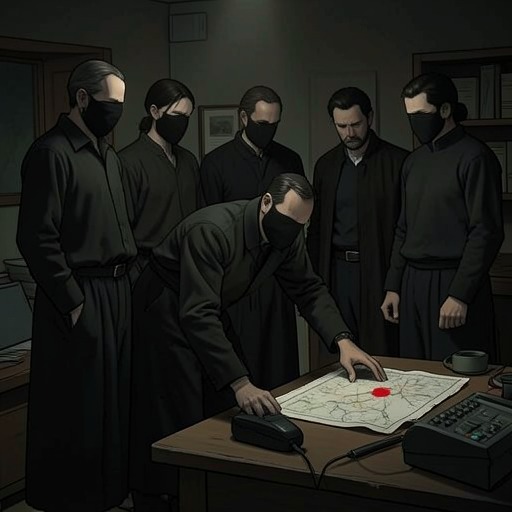
The Last BattleShift’s forced-labor policy is the labor system announced under the False Aslan: Narnia’s inhabitants are to work for the benefit of rulers who claim the arrangement serves their own good. Its language of wages, treasury, and modernization masks the transfer of control over Narnian labor and resources to the Calormenes.
From Timber Trade to Forced Labor
The policy grows out of the felling of Lantern Waste. Tirian and Jewel first encounter the extraction as a river raft carrying newly cut trees toward Calormen for sale. When they reach the forest, they find a broad track cut through the ancient trees, with logs dragged toward the river by horses under the direction of Calormene men. The trade in timber is therefore not an isolated transaction: it is backed by the destruction of Narnian land and the labor of its inhabitants.
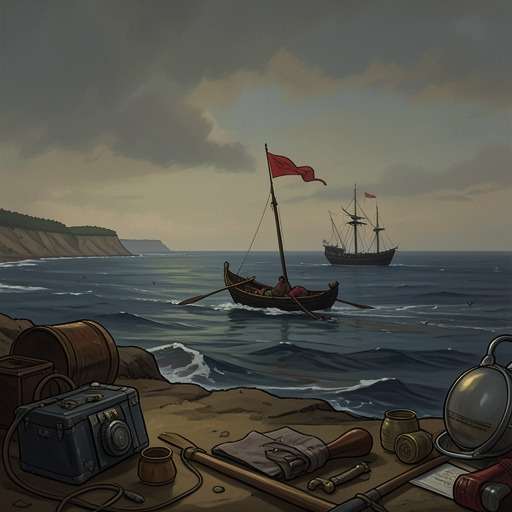
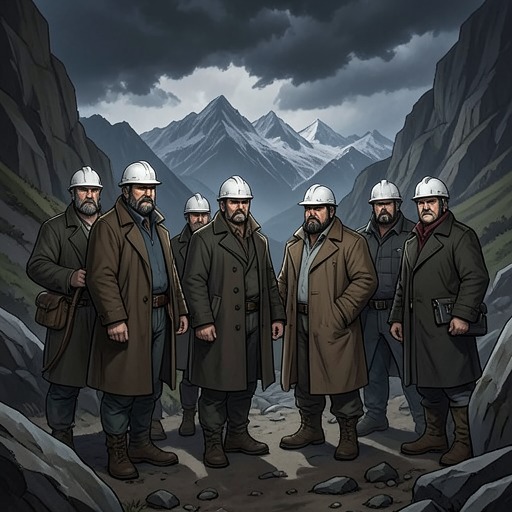
Shift then declares that work will not end when the logging is done. Every creature capable of working, he says, will be made to do so. Horses, bulls, and donkeys are to be sent to Calormen for hauling and carrying; moles, rabbits, and Dwarfs are to be sent to the Tisroc’s mines. The announcement converts a temporary logging operation into an extensive system of assigned labor and removal from Narnia.
Coercion Recast as Consent
The assembled Beasts reject the scheme as slavery, insisting that Aslan would never sell them to the King of Calormen. Shift suppresses the objection by denying the name rather than the substance: they will supposedly receive good wages, but their pay will go into Aslan’s treasury, where he will use it for everyone’s benefit. A Calormene official confirms that the Tisroc agrees with the plan, giving the coercion the appearance of an authorized agreement.
Shift’s explanation makes the contradiction plain. The workers are told that their labor is compulsory, that they will be transported to serve foreign economic needs, and that they will not control their earnings. Yet the arrangement is presented as benevolent precisely because the money is said to belong to Aslan and to serve the common good. The Beasts’ protest names the reality that the official vocabulary is designed to conceal.
Promised Improvement and Political Control
Shift advertises the proceeds as a means of making Narnia a country worth living in, promising imported oranges and bananas, roads, large cities, schools, and offices. The list then turns sharply toward whips, muzzles, saddles, cages, kennels, and prisons. The juxtaposition exposes the coercive order embedded in the promise of improvement: infrastructure and abundance arrive alongside instruments for controlling bodies and restricting freedom.
An old Bear answers that the Beasts want freedom and want to hear Aslan speak for himself. Shift rejects both the challenge to his authority and the Bear’s understanding of freedom, asserting that true freedom means doing what Shift tells them. The policy thus depends not only on compelled labor but also on a counterfeit account of liberty, in which obedience to the self-appointed Mouthpiece is represented as freedom.
Significance
The policy connects the destruction of Lantern Waste to the planned exploitation of animal labor and the Calormene demand for timber and workers. Its central mechanism is rhetorical as well as economic: forced service is renamed paid employment, proceeds are claimed for a common treasury, and foreign extraction is advertised as national improvement. The threatened whips, muzzles, and prisons make visible what those assurances conceal—the loss of the Beasts’ freedom to decide where they work, what happens to their earnings, and whether they remain in Narnia.